Choose one short passage
Pick a passage with concrete characters and events that children can picture. If you are using a published book, check that you have permission before entering its text into another service.
Preschool story time
A read aloud for preschool works best when an adult can stop, point to a picture, and follow a child's curiosity. Use this guide to plan that shared moment and decide where voice reading might help with preparation or listening.
Preschool story time usually starts with a familiar book, a comfortable place to sit, and an adult who knows the group. A voice reader is one possible addition to that routine, not its starting point.
Explore ways to adapt shared listening and conversation for children beyond the preschool years.
Get a plain-language explanation of what children do during a shared reading session.
Compare classroom listening activities intended for students with a preschool story-time routine.
Keep the adult in charge of the pace. These steps make room for read aloud listening while preserving the pauses, pictures, and conversation that make preschool story time interactive.
Pick a passage with concrete characters and events that children can picture. If you are using a published book, check that you have permission before entering its text into another service.
Mark a place to name something in the picture, a place to ask what might happen next, and a place to revisit a new word. A preschool read aloud needs room for answers, including unexpected ones.
If voice reading suits the passage, preview it yourself before sharing it. Pause the audio as needed; invite children to point, gesture, repeat a phrase, or explain what they noticed.
The useful change is not from an adult voice to a digital one. It is from uninterrupted listening to a story with deliberate chances for children to participate.
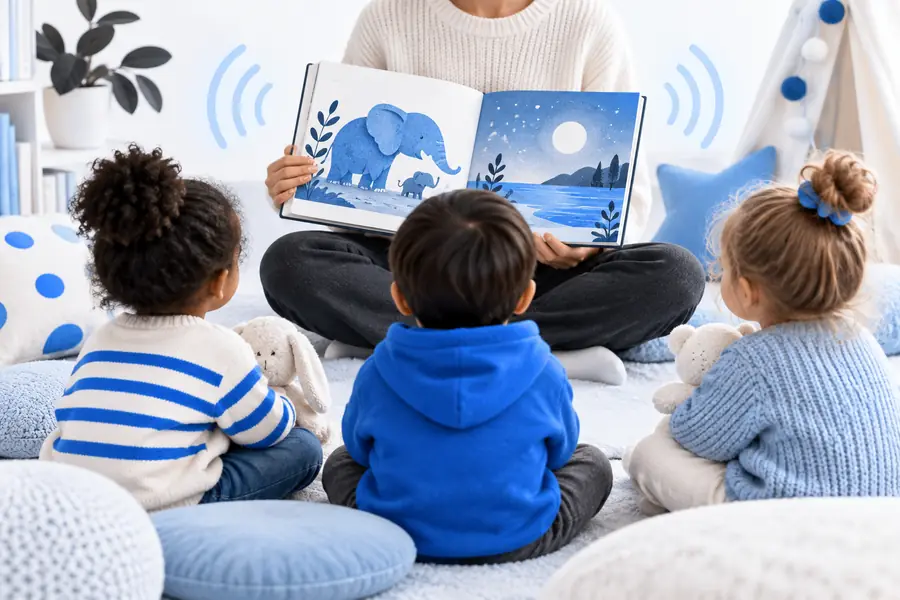
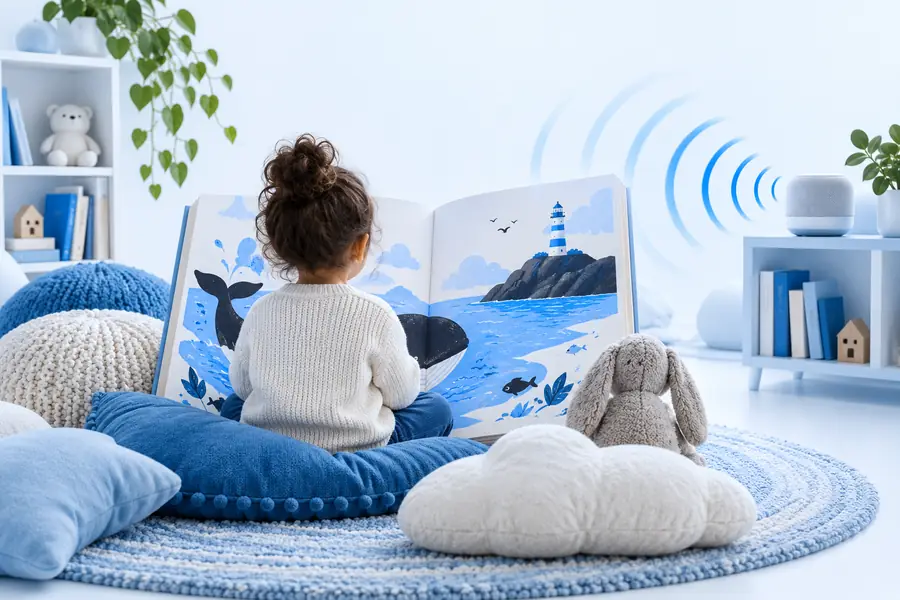
These images illustrate two parts of a possible routine; they do not show measured learning outcomes. A planned read aloud still depends on an adult noticing when preschool children want to speak, move, or hear a line again.
Aim to leave preparation with a short passage, a few stopping places, and one way for children to respond. The exact plan changes with the people in the room.
Preparing a picture-book session for a group with different attention spans.
Choose a brief opening, identify two pictures worth discussing, and leave time to revisit a favorite line. Keep the book visible even if voice reading is used.
read aloud for kidsFitting a read aloud into a transition before rest time.
Select a calm passage and a single question children can answer with a word or gesture. Stop when the group is ready to move on rather than finishing at all costs.
what is read aloud for kidsRevisiting a familiar story when a child asks to hear it again.
Let the child choose a page, predict a character's next move, or tell part of the story. Repetition gives them another chance to join in.
how to use read aloud voice readerHelping a small group attend to a short informational passage.
Pause after a concrete fact and ask children to point to or describe an example. Adapt the response to the group's language and comfort level.
read aloud examples for studentsFor read aloud for preschool, prepare the passage and the questions before you decide how it will be voiced. Readaloud can point you toward voice reading to explore; preview any result yourself, then use it only when it supports the children in front of you.
Look for a story or passage children can follow through clear events, familiar experiences, and pictures or concrete words. Leave time for them to point, ask questions, and connect the story to something they know.
There is no single duration that fits every child or group. Choose a passage you can pause or finish comfortably, and watch whether children are still engaged rather than trying to reach a fixed time.
A voice reader may provide another way to hear a passage, but it cannot notice a child's question or respond to a gesture. An adult can pause, explain a word, show a picture, and change course when the group needs it.
Try a question tied to something children can see or remember: What is the character holding? What do you think happens next? Give them time to answer in words, gestures, or by pointing.
Yes. Listen for words that sound unclear, pauses that arrive in awkward places, and a pace that leaves little room for interaction. You can always read the passage yourself or stop the audio to bring the children back into the story.